


Why Your Brake Warning Light Is On
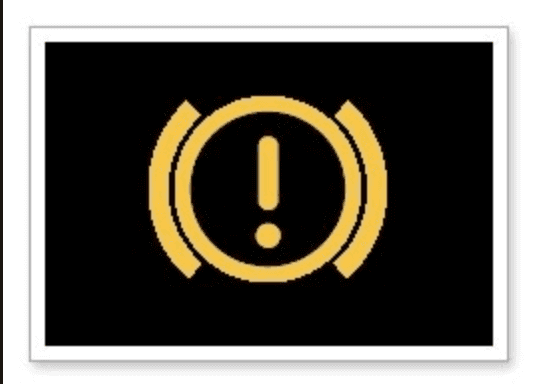
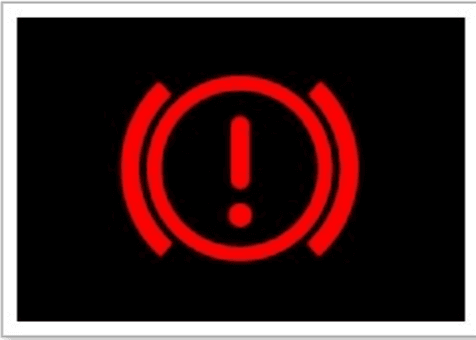
Photo Source/Copyright: RepairPal
What should you do the moment that unexpected dashboard illumination catches your eye while traveling down the highway? A brake alert is one of the few dashboard warnings that deserves an immediate response. When the brake warning light is on, the color of the alert tells you how much time you have. Red calls for action now. Yellow usually means a system needs attention soon. Knowing which one you’re looking at changes everything you do next.
What the Brake Warning Light Actually Means
Federal safety rules define when this telltale must illuminate. The alert must activate on a gross loss of brake fluid or fluid pressure, an electrical failure in the brake system, application of the parking brake, or lining wear-out.
That range is why one light can point to several very different problems. The identifier is a word rather than a symbol, which is why wording varies between dashboards, and the red alert must occupy its own space rather than share a display with other warnings.
Red vs. Yellow: Reading the Alert
Color is standardized, not stylistic. A brake system malfunction is assigned a red status. Anti-lock, regenerative braking, and brake proportioning faults are assigned a yellow designation.
That distinction is the fastest triage tool you have, because it separates a problem that may affect your ability to stop from one that disables an assist function while base braking continues to work.
- Brake system → loss of fluid or pressure, electrical fault, or lining wear-out
- Pedal feel → longer travel or higher effort than normal
- Parking brake → applied, or not fully released
- ABS → anti-lock function may be unavailable; base braking still operates
- RBS or ABS/RBS → regenerative braking fault on electrified models
- Brake proportioning → force-distribution fault
Why the Light Comes On
Once the parking brake is ruled out, low brake fluid is the most common trigger. Fluid level can fall gradually as linings wear, or suddenly if a line, hose, caliper, or master cylinder develops a leak.
Sensor and electrical faults can also trigger a brake alert without a mechanical failure. An electronic parking brake warning may even appear alongside a stability control fault without indicating a parking brake problem at all.
- Low brake fluid → the most common cause, once the parking brake is ruled out
- Parking brake engaged → including automatic application by an electronic parking brake
- Worn brake linings → wear may be signaled acoustically, optically, or by visual check
- Hydraulic loss → a leak or pressure loss anywhere in the circuit
- Electrical or sensor fault → may illuminate an alert without a mechanical failure
What to Do Right Away
The safest sequence when the brake warning light is on starts before you stop. Manufacturers advise driving carefully to the nearest safe location rather than braking hard in traffic. Once the vehicle is stopped, confirm the parking brake is fully released and check the fluid level.
Inspect the brake components for leaks. If the following scenarios occur, don’t drive the vehicle; arrange a tow instead: a leak is found, the alert stays on, or the brakes don’t operate properly.
- Reduce speed and increase following distance → leave room for longer stopping distances
- Drive carefully to the nearest safe location and stop → don’t brake abruptly to a halt in traffic
- Confirm the parking brake is fully released → then check the fluid level with the vehicle stopped
- Inspect for leaks before moving again → if there’s a leak or the brakes feel wrong, arrange a tow
When to Stop Driving Entirely
Pedal feel matters more than the light itself. Vehicles use split braking circuits, so a single circuit failure still leaves braking at two wheels, but the pedal travels farther, requires more effort, and the vehicle won’t stop as quickly.
If the red brake alert and the anti-lock warning appear together, force distribution may be compromised. Avoid high speeds and sudden braking, and seek inspection immediately.
- Long or soft pedal → possible circuit failure
- Red and ABS lit together → force distribution may be compromised
- Visible fluid at a wheel → don’t drive
What a Brake Inspection Covers
A proper inspection goes well beyond a visual check of the pads. A technician evaluates the full hydraulic circuit, measures wear on friction surfaces, identifies the source of any fluid loss, and scans the brake control modules for stored faults before confirming that every warning clears and stays cleared.
- Lining and rotor measurement → thickness and surface condition
- Hydraulic circuit inspection → calipers, lines, hoses, and master cylinder
- Fluid level and condition → plus leak-source identification
- Module scan → stored ABS, EBD, and brake system fault codes
- Post-repair verification → confirming signals clear up and stay cleared
Frequently Asked Questions
Q: Can I drive with only the ABS light on?
A: Base braking still works without anti-lock assistance. Drive cautiously, allow extra stopping distance, and schedule an inspection soon rather than treating it as routine.
Q: Why is the brake light still on after service?
A: If the brake warning light is on after new pads or fresh fluid, a sensor, connector, or system reset is a common cause, but a scan should confirm it.
Q: Does low brake fluid always mean a leak?
A: Not always. Level drops naturally as linings wear, but a leak must be ruled out by inspection rather than assumed away by topping off the reservoir.
Q: Why do two brake lights come on together on a hybrid or electric vehicle (EV)?
A: A red brake alert, paired with a yellow regenerative warning, indicates a regenerative braking fault. The pedal may feel harder, and stopping distance may increase as the system defaults to hydraulic mode.
Schedule a Brake Inspection
Don’t wait to find out why the brake warning light is on. Our certified technicians can diagnose the fault and restore full braking confidence. Schedule your inspection today.
More From Land Rover Akron
How to Change a Battery on Any Vehicle
Photo Source/Copyright: Land Rover USA You turn the key and get that slow, sagging crank; the sound of a car battery giving up. Nine times out of ten, that sagging groan means your battery has run its course. Swapping out a battery in your own driveway takes about an hour, two simple hand tools,…
Exploring the Modern Land Rover Defender Interior
Photo Source/Copyright: Land Rover USA Most SUVs that look this rugged from the curb ask you to make a sacrifice once you step inside, usually in the form of cheap plastics, clunky ergonomics, or exposed bolt heads where a proper trim panel ought to be. The Land Rover Defender interior takes a deliberate…
What Does It Mean When Cars Stall?
Photo Source/Copyright: JD Power There’s a specific, sickening half-second where your brain catches up to what just happened. The radio is still playing, the dashboard lights are illuminated, but the gas pedal feels dead under your foot. You aren’t accelerating anymore; you’re just coasting on momentum you didn’t ask for while surrounding traffic…