


Compact vs. Subcompact Cars: Crucial Differences Explained

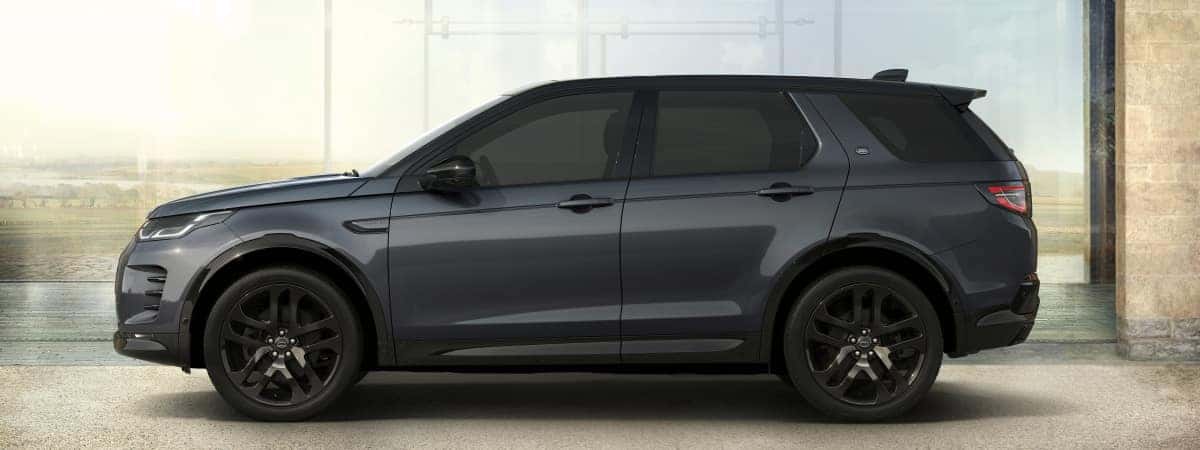
Photo Source/Copyright: Land Rover
Curious about what exactly separates compact and subcompact cars? The primary difference between a compact and a subcompact car lies in their interior space, overall size, and passenger comfort.
Subcompact cars provide exactly 85 to 99 cubic feet of total passenger and cargo space. They are smaller, more affordable, and highly fuel-efficient, making them the best option for city driving and solo commuters.
Compact cars step up in size, offering 100 to 109 cubic feet of space. They provide significantly more passenger and cargo room, making them better for small families and standard commuting.
The final answer is straightforward: the subcompact category equals efficiency and affordability, while the compact category equals enhanced comfort and versatility.
Understanding Subcompact Cars
A subcompact car represents the smallest standard vehicle class available today. This category typically offers 85-99 cubic feet of interior space.
Core Advantages: The key benefits of this segment include excellent fuel economy, a distinctly lower price point, and incredibly easy parking and maneuverability in dense areas. Although they feature limited passenger space and cargo capacity, these concentrated dimensions create a highly engaging, cozy cockpit for the driver and encourage smart, organized packing of only your most essential items.
Exploring Compact Cars
A compact car is a small but distinctly more spacious vehicle than a subcompact. A vehicle in this class typically offers 100 to 109 cubic feet of space.
Core Advantages: The key benefits center on more interior comfort, creating an environment that is vastly better for passengers. Despite the extra room, these cars remain highly fuel-efficient and easy to drive. This precise balance of dimensions makes them ideal for daily commuting, supporting small families, and delivering an optimal blend of balanced performance and efficiency.
Which Is Better: A Compact or Subcompact Car?
Determining which vehicle is better depends entirely on your specific needs and priorities.
Choose a subcompact if you want lower purchase costs, maximum fuel efficiency, and completely easy city driving.
You should choose a compact if you want more comfort and legroom, more cargo space, and better everyday usability for varied driving scenarios.
How the EPA Classifies Car Sizes
The Environmental Protection Agency (EPA) strictly defines car sizes by total interior volume, according to standard regulations. The official categories include the subcompact class (85 to 99.9 cubic feet) and the compact class (100 to 109.9 cubic feet). Moving up, the midsize class encompasses 110 to 119.9 cubic feet, and the full-size class includes any vehicle with 120 or more cubic feet.
Compact vs. Midsize Cars
Midsize cars are noticeably larger than compact cars.
Primary Distinctions: The key differences include more legroom and headroom, a larger trunk, and a platform that is better for long trips and growing families. However, compact cars retain excellent qualities, offering better fuel efficiency alongside significantly easier handling and parking.
Midsize vs. Full-Size Cars
Full-size cars offer the most interior space on the market, requiring 120 or more cubic feet of volume.
Primary Distinctions: Full-size benefits include maximum passenger comfort, larger trunks, and an impeccable layout for long-distance travel. Midsize cars counter with their own elegant strengths, offering better fuel economy and an architecture that is much simpler to navigate through daily traffic.
In the end, whether you prioritize peak efficiency and affordability or added comfort and everyday adaptability, both subcompact and compact cars achieve high value in today’s market. Consider your driving habits and needs to select a flawless fit; either way, you’ll enjoy a capable, economical ride tailored to modern life.
More From Land Rover Akron
How to Change a Battery on Any Vehicle
Photo Source/Copyright: Land Rover USA You turn the key and get that slow, sagging crank; the sound of a car battery giving up. Nine times out of ten, that sagging groan means your battery has run its course. Swapping out a battery in your own driveway takes about an hour, two simple hand tools,…
Exploring the Modern Land Rover Defender Interior
Photo Source/Copyright: Land Rover USA Most SUVs that look this rugged from the curb ask you to make a sacrifice once you step inside, usually in the form of cheap plastics, clunky ergonomics, or exposed bolt heads where a proper trim panel ought to be. The Land Rover Defender interior takes a deliberate…
What Does It Mean When Cars Stall?
Photo Source/Copyright: JD Power There’s a specific, sickening half-second where your brain catches up to what just happened. The radio is still playing, the dashboard lights are illuminated, but the gas pedal feels dead under your foot. You aren’t accelerating anymore; you’re just coasting on momentum you didn’t ask for while surrounding traffic…